
Science glimmers: Issue 3
Cancer vaccines, PFAS, space sugar, and salty soil solutions

I keep hoping that the news cycle will get better, but honestly sometimes it seems like it just keeps getting worse (fires, deaths, outbreaks and more…)
So this week, I’m leaning into the joy and hope that science can bring with another issue of Science Glimmers (issue two is here). Below I give five high level overviews of science news that have caught my eye recently. I hope it at least makes you smile!
A vaccine that tries to stop pancreatic cancer before it starts
Pancreatic cancer is scary because it’s so often caught late, which means it often has a poor survival rate, but more and more research lately is bringing hope and progress to pancreatic cancer patients and families.
Researchers at Johns Hopkins tested an experimental vaccine in people who are at higher risk for pancreatic cancer due to a family history of pancreatic cancer and a documented pancreatic abnormality on imaging. The vaccine targets mutant KRAS, which is found in most pancreatic cancers.
The goal of the vaccine is that it trains the immune system to recognize and destroy precancerous cells before they can turn into something dangerous.
Eighteen of the twenty people in the trial developed a strong, lasting immune response. Some even saw their precancerous pancreatic cysts shrink or disappear. More than a year later, none of the participants had developed pancreatic cancer.
This was a small, early study, and the researchers were very careful to say it wasn’t designed to determine if the vaccine prevents cancer outright. But it’s an important first step, and more trials will be done to see if it does.
Sugar floating in space
I have to say after Artemis 2 I am still a bit obsessed with all things space. So that’s why this research finding really caught my attention.
Figuring out how molecules like sugars first formed on earth has been a question of active research for those who study the origin of life. One hypothesis has been that they came from somewhere in outer space. Prior studies have detected sugars in asteroids, but this new study gives us even more reason to suspect that maybe sugars were seeded here from space.
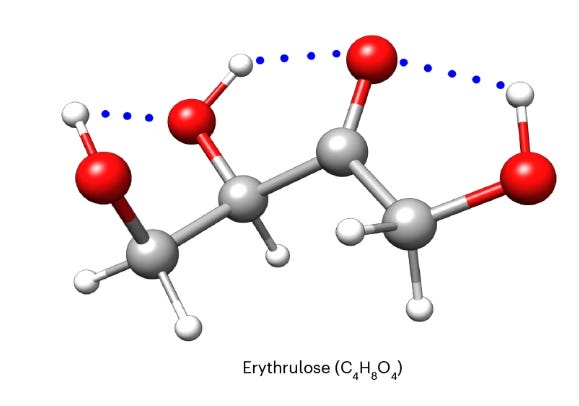
Astronomers pointed radio telescopes in Spain at a massive gas cloud near the center of the Milky Way galaxy and found a sugar molecule called erythrulose, the same kind found in raspberries.
Erythrulose is a chemically complex sugar that can be broken down into the simpler sugars. Finding it in the Milky Way galaxy suggests some of the basic ingredients for life may come from our solar systems. Of course, more research is needed, and this may be one of those questions we never really have a clear answer to.
Zero cervical cancer deaths
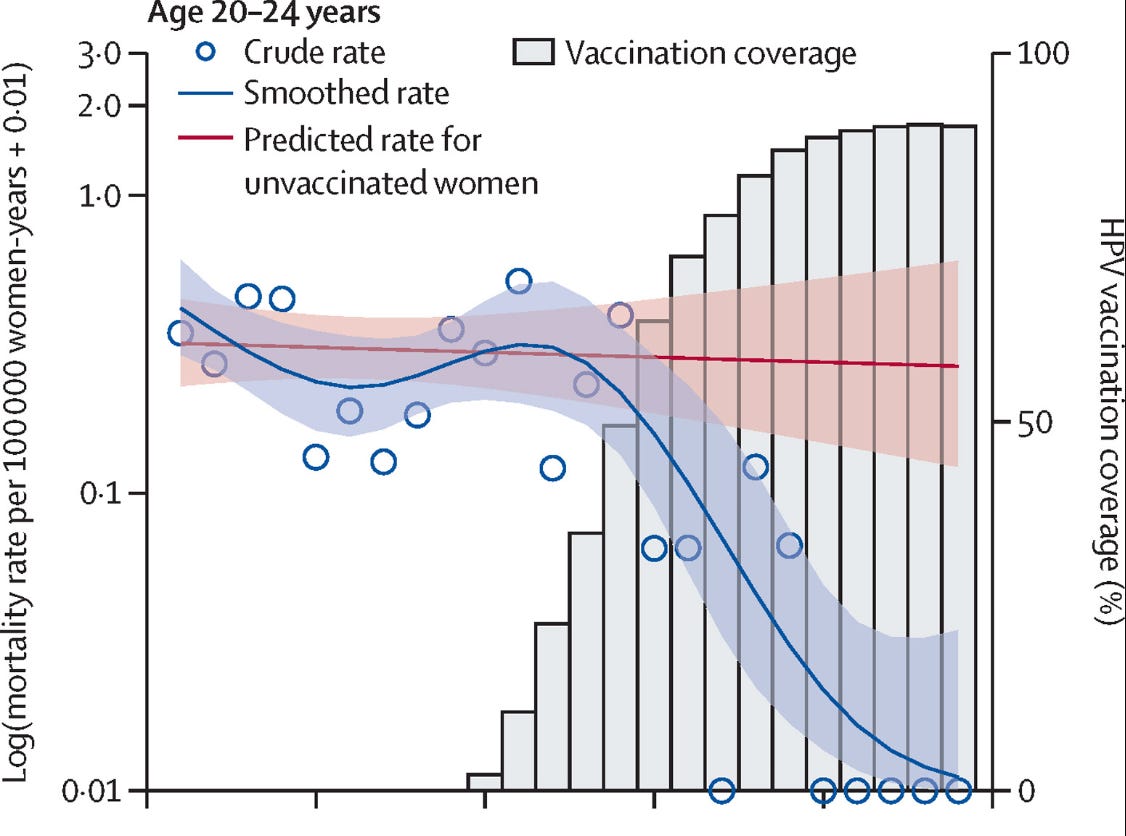
A new study out of England looked at cervical cancer deaths in women ages 20 to 24 between 2020 and 2024. The number was zero. This was the first five-year stretch on record with no cervical cancer death in that age group.
The reason is almost entirely due to the HPV vaccine, which the UK began offering to schoolgirls in 2008. Researchers estimate that without it, roughly 23 young women would have died from cervical cancer during that same window. This just adds more data, to an ever increasing amount of data, that shows the cancer preventative power of HPV vaccination.
A way of destroying “forever” chemicals?
If you’ve ever felt a little defeated reading about PFAS, which are also known as “forever chemicals” in our water, food packaging, and nonstick pans, this one gives some hope that we may have ways of tackling them soon.
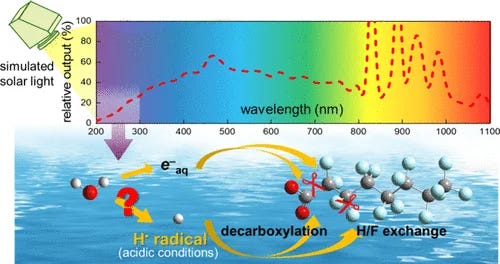
Researchers in Denmark discovered that blasting PFAS with intense UV light generates hydrogen radicals that can help break these PFAS molecules apart. This matters a lot because most current PFAS treatments just move the chemicals from one place to another, filtering them out of water and into a filter that still has to be disposed of or stored somewhere. This paper actually talks about a method that may help break down the actual molecule.
There are really early findings, and the process of breakdown is really slow. But this is an important first step, and research will be done to try to build off this to find better solutions for eliminating PFAS.
Bacteria that could help salty farmland
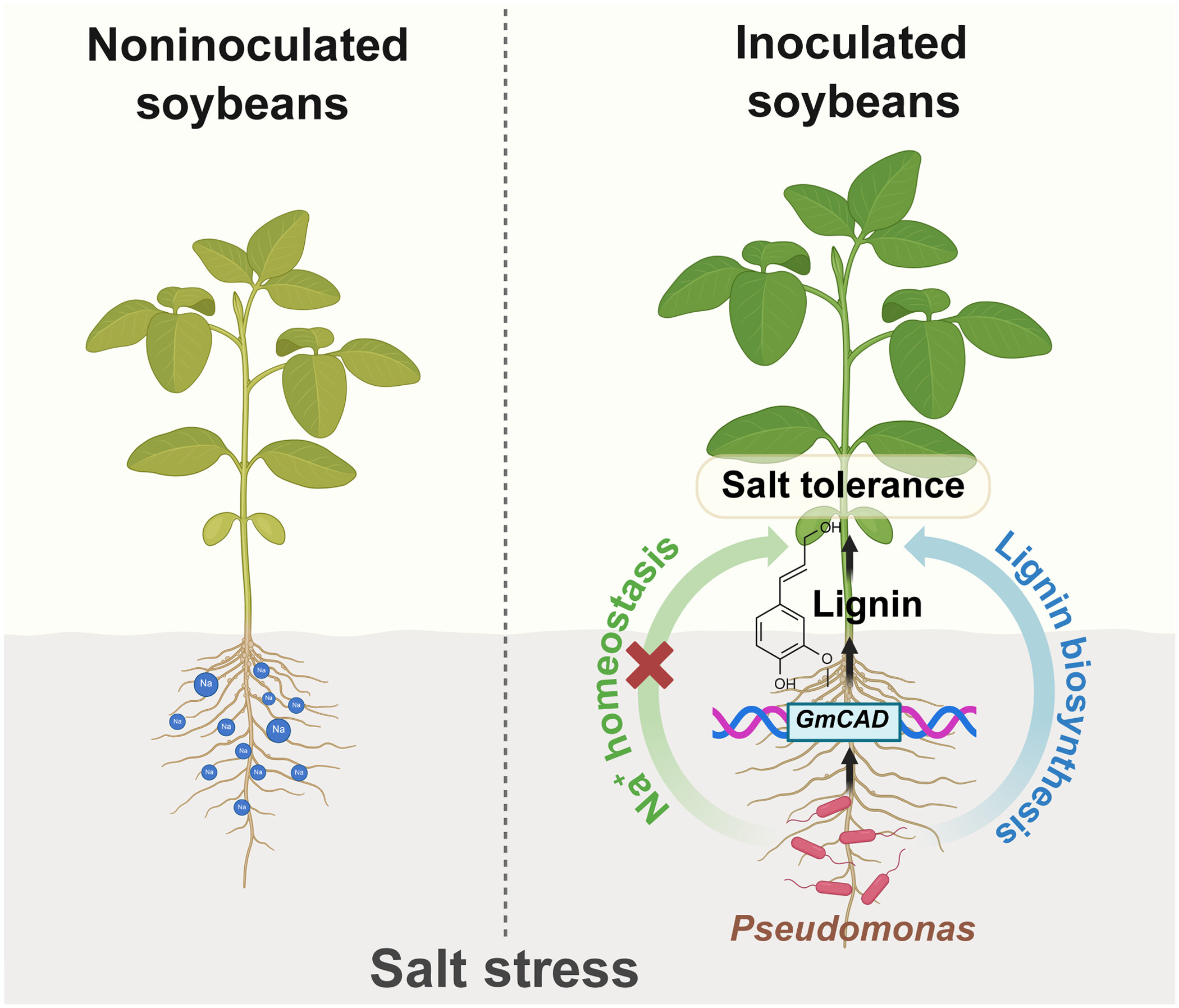
As climate change, irrigation, and rising seas push more salt into farmlands worldwide. Traditionally, salty soil is not seen as good for growing things. Recently, researchers found an ally that is already present in soil that might be able to help!
Certain naturally occurring bacteria, types of Pseudomonas, may help plants be more resistant to salt levels in soil. When these bacteria were present with the roots of crops like soybeans, maize, and tomatoes, the bacteria triggers the plant to produce more lignin. Lignin is a compound that strengthens roots and helps the plant better tolerate salty conditions. Researchers hope this could eventually lead to solutions that let farmers grow food on land currently considered too salty to use.
The world is stressful and overwhelming, so I hope these give you some sciency reasons to smile this week. Science will forever and always be one of my sources of hope, combined with the many people I see, everyday, doing what they can, where they can, to make the future better for all.
Let me know what topics you’re interested in learning more about!
Love,
Liz
You can become a paid supporter of this substack or you can make a one time contribution of support here.

Thank you for the dose of hope, and positivity!
This was really lovely to read; thanks Liz!