
Making the Hard Decisions
A letter from one parent to another. Flying Without Inspections? And a quick ACIP recap.

A quick summary of the ACIP meting from last week can be found at the very end of this post. Otherwise the bulk of this post is a letter I wrote to vaccine hesitant parents. Please consider sharing, or taking this information (and framing) out into your community.
Dear Careful Decision-Maker,
I know you have questions about vaccines. There is SO much information floating around right now. I also know how much you want to make the right decision for your kid because I am a parent too.
I’ll never forget the moment they placed my babies on my chest after the hard and intense experience that is childbirth. The whole world fell away at that moment. I had spent so many months envisioning and dreaming of this. But nothing could have prepared me for the rush of fierce, protective love that hit me. That tiny face, those fragile breaths, the new cry and the weight of immense responsibility. I knew in those moments that I would do anything within my power to keep my children safe.
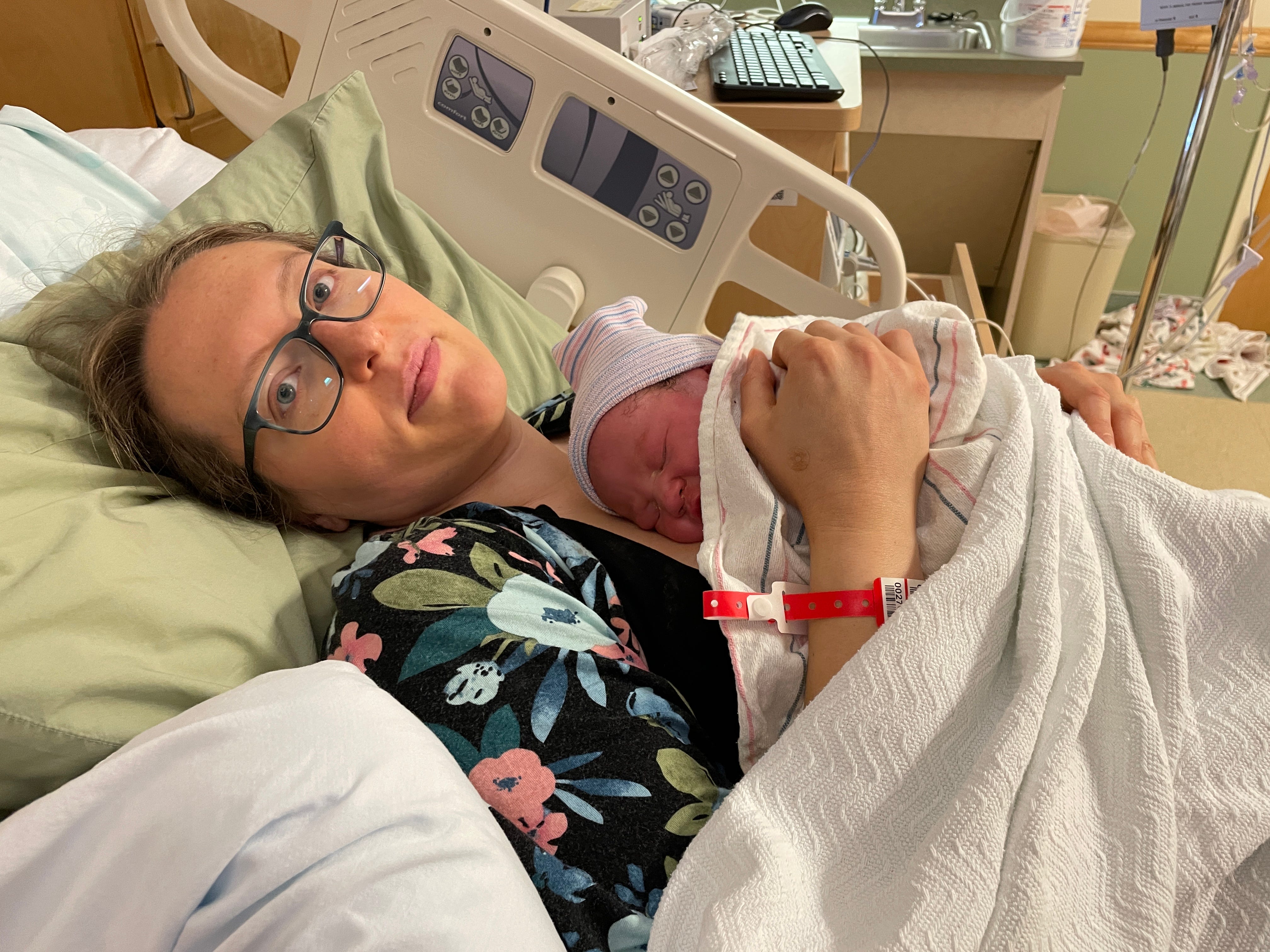
And you may have felt this too. It’s easy for people on the outside to make judgments, to throw around opinions. But once you’re the one holding a new life in your arms, it all changes. The weight of those choices feels different.
Here’s something I’ve learned – both through life and through parenting. There are no risk-free decisions, and so many of the decisions we make feel hard. Because every choice we make comes with trade-offs, whether it’s how we feed our babies, how we put them to sleep, the school we do or don’t send them to or the medical decisions we make for them.
Yes, that includes vaccines.
I know you may feel hesitation. You may have questions you spend nights Googling. You may see scary pieces of information while scrolling Instagram or TikTok. It may feel to you like choosing to vaccinate means taking too much of a risk. But here’s the truth: not vaccinating is also a risk. People want you to think that isn’t true, but it is.
Safety Nets
You can think about it like airplane safety inspections. Imagine living in a world where safety inspections were phased out to save costs. At first, everything might look fine because planes had been relatively recently inspected. People may start to think inspections really are a waste of time and resources. But over time, as it gets further out from the last inspection, small cracks build, problems add up and eventually, tragedy strikes. Flying becomes much less safe because the safety net ensuring our planes are fit to fly is gone.
Vaccines are like safety inspections.Their benefit is often invisible because they’ve helped us get to a point where we don’t all know kids with measles, mumps, diphtheria or polio. But without vaccines, these diseases will creep back. Maybe not tomorrow. Maybe not next month. But eventually, we will see the consequences (we see it in certain communities with measles outbreaks this year). Kids will get sick, families will grieve and communities will be impacted.
This becomes more and more of a risk as vaccine rates drop, just like flying would become more of a risk as inspections drop and time progresses. This is because community immunity (aka herd immunity) goes away with declining vaccination rates. I talk a bit more about why that is the case here:
Natural infection isn’t safer.
Some people may want you to believe that it’s riskier to get vaccinated, but they ignore the very real costs of vaccine preventable illnesses. And it is critically important to know that it’s not just death. Other complications can occur as well, some were discussed here and I discuss one example of complications of measles in the video below. The risks also increase as vaccination rates drop because the disease will start spreading. This means it’s more likely children will get infected.
When I became a mom, I was already a scientist, so I was lucky to be able to navigate all the information and worries (about vaccines at least, rest of it has been wild).
Online I have seen how so much of the scary stuff leaves out the bigger picture or twists information to fit a specific story.
I’ve shared before that my own mom chose not to vaccinate me as a child. I often think about her when I have these conversations. She loved me, and she was doing what she thought was best for me. Just like I try to do what’s best for my kids, and just like you are trying to do too.
What I wish is that my mom had been given better information. Because when you only hear scary things, it is totally normal to feel like the risks of vaccines are too high and that doing nothing is safer. But that’s not the whole picture.
That’s why when it came time for me to decide, I evaluated the risks and benefits and decided that the benefits of vaccines far outweighed any risks for myself and my children. That’s what people mean when they say vaccines are safe. They’re not saying there is no risk, just that the benefits outweigh the risks.
So here are some more things that may help you as you navigate these decisions.
VAERS isn’t proof of harm.
So many scary reports online use an online system known as VAERS, officially called the Vaccine Adverse Event Reporting System. This is an open reporting system, which means anyone can submit a report about anything. They don’t have to be submitted by a clinician and it does not mean the vaccine caused the event. Those monitoring the system use it for spotting patterns and potential issues. For example, we know in a typical week or month how many people in a certain age range might experience a stroke. If there are suddenly more strokes being reported than expected, it will result in an investigation. We have examples of VAERS working as intended to help us spot some rare side effects.
Sadly, so many people take the information from VAERS and twist it without this context. Instead, we need to find out if the event was real (yes fake events have been reported) and whether it is happening more than we would expect in that time frame and age group. Misusing VAERS is like mistaking every single rumor you hear as verified truth.
We have other safety monitoring too.
Vaccines are closely monitored, and there is a high bar for safety because they’re given to people who are healthy. Beyond VAERS, there are other safety monitoring systems like VSD (Vaccine Safety Datalink) and BEST (Biologics Effectiveness and Safety System). These use electronic health records to track millions of people in real time. And don’t forget, other countries use vaccines too, and that means we also have data from other countries.
Vaccines are not associated with SIDS.
Sudden Infant Death Syndrome (SIDS) is one of the scariest words for new parents. I swear I stayed up watching my newborns breathe for nights on end because newborns make the weirdest noises. I was terrified something would happen overnight and I wouldn’t be there to help. But, while my postpartum anxiety brain worried about SIDS, it also knew that vaccines are not associated with it. Sadly, some people like to pick poorly designed experiments to say that there is an association, but they ignore all the data we have that says there isn’t one.
Researchers have studied this carefully and we have many different papers with different vaccines. These have shown that vaccines are not linked to SIDS. In fact, some studies suggest vaccines may reduce the risk, because they protect babies from serious infections that can sometimes contribute to sudden deaths.
Now, some people point to SIDS being listed on vaccine inserts without providing the data I mentioned above. So why is SIDS on inserts? It’s because the FDA requires that all possible adverse events observed during trials are listed on the inserts even if the cause has not been demonstrated to be linked to vaccines. This is why it’s so important to look at the whole combination of data available.
Making the best decisions we can
My mom didn’t know some of these things when she was raising me, but some of this information might have made her choices less heavy, her fears less sharp. I am sure there are other pieces of information that could help you too, but this is a start. Feel free to message me with other questions.
The reality is that parenthood is full of so many hard decisions that we are doing our best to navigate well.
It isn’t about perfection. It’s about stacking the odds in favor of giving our children the healthiest lives possible.
That’s what we both want.
Xoxo,
Liz
ACIP Brief Recap
It has been a wild few weeks. The ACIP met last week and in my spare time I was involved in some prebunking and debunking of the event along with a team of other amazing people from The Evidence Collective. You can download the briefs we put together here for details. In total we counted more than 50 false or misleading statements about vaccines over the two day meeting.
Here is a quick overview of the major decisions made by ACIP this week.
MMRV vaccine:
The combined measles, mumps, rubella, and varicella (chickenpox) shot (MMRV) is no longer recommended for children under age 4, and it’s not covered by the Vaccines for Children program.
Kids in this age group can still get the separate MMR and varicella shots.
This was already the preference to lower the already small risk of febrile seizures compared to MMR and V separately. However, parents had the ability to chose what they preferred. This limits that freedom.
It is unclear what impacts this will have on supply.
Hepatitis B vaccine:
The committee decided to postpone the vote on changes to Hep B recommendations. More on this later.
COVID-19 vaccine:
Everyone 6 months and older can access COVID-19 vaccines through shared decision making with the vaccine provider (clinician or pharmacist)!
They voted to not require a prescription, but it is unclear if that was even in their authority to vote on.
Some states may still ask for a prescription because of the FDA label specifying high risk. But this should make it easier to access overall.
Given how confusing everything has been it may take states time to figure things out.
This outcome is better than expected, but that doesn’t mean our concerns were misplaced or that we overreacted. If you listened to the meeting it was a mess and these outcomes are surprising based on what they said.
So, what maybe happened?
In the weeks leading up to the meeting, there were resignations, Senate hearings, people calling their representatives, leaked details about the plans, a wave of public outrage, and people working behind the scenes to protect public health.
It is likely these combined efforts impacted the outcomes we saw this week.
What does this mean for the future?
It means we need to continue to push back and make our desire for vaccine access known. We cannot be fooled into thinking this committee isn’t that bad. They are.
But these actions are making a difference. We need to keep it up please!
Call your reps. Post on social media. Share information. It matters.
I’m doing a lot of work these days, and I’m committed to keeping my science content freely available to everyone—but if you find value in what I share and have the means, I’d be so grateful if you considered upgrading to a paid subscription. If that’s not possible right now, no worries at all—I’m just glad you’re here. ❤️

Thank you for helping keep us well-informed. I continue to be appalled by the numbers of anti-vaxxers who are putting our communities at high risk. It is well-documented that vaccines save lives. To me it is a no-brainer. Yet I know there’s millions o out there who rely on disinformation . My family doctor is distressed about it all too. He said they relied on CDC recommendations . RFK Jr seems to be “thinning the herd.”
Thank you Elisabeth for this clear overview. I love the airplane safety metaphor. I hope our nation can recover from it's anti-science attitude. Hopefully smart, personal, and heartfelt articles like this will turn the tide!